

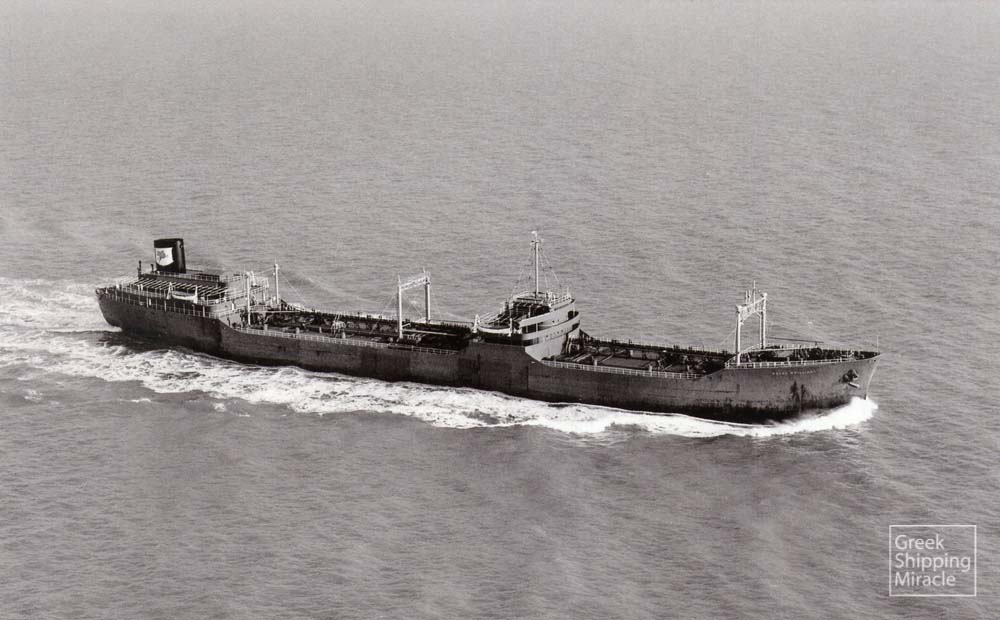
Tankers
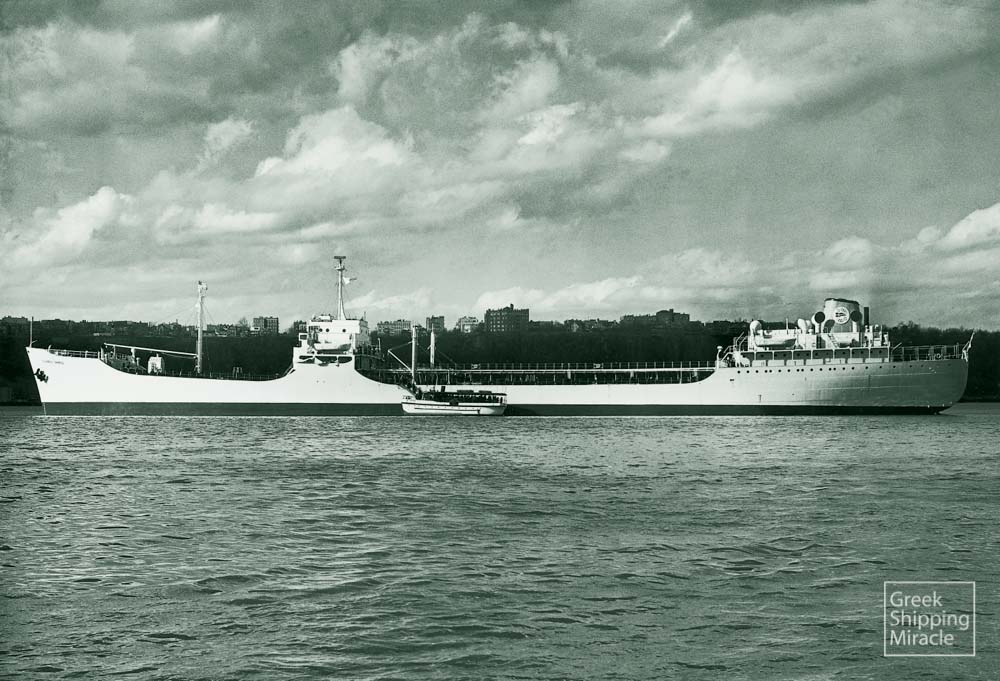
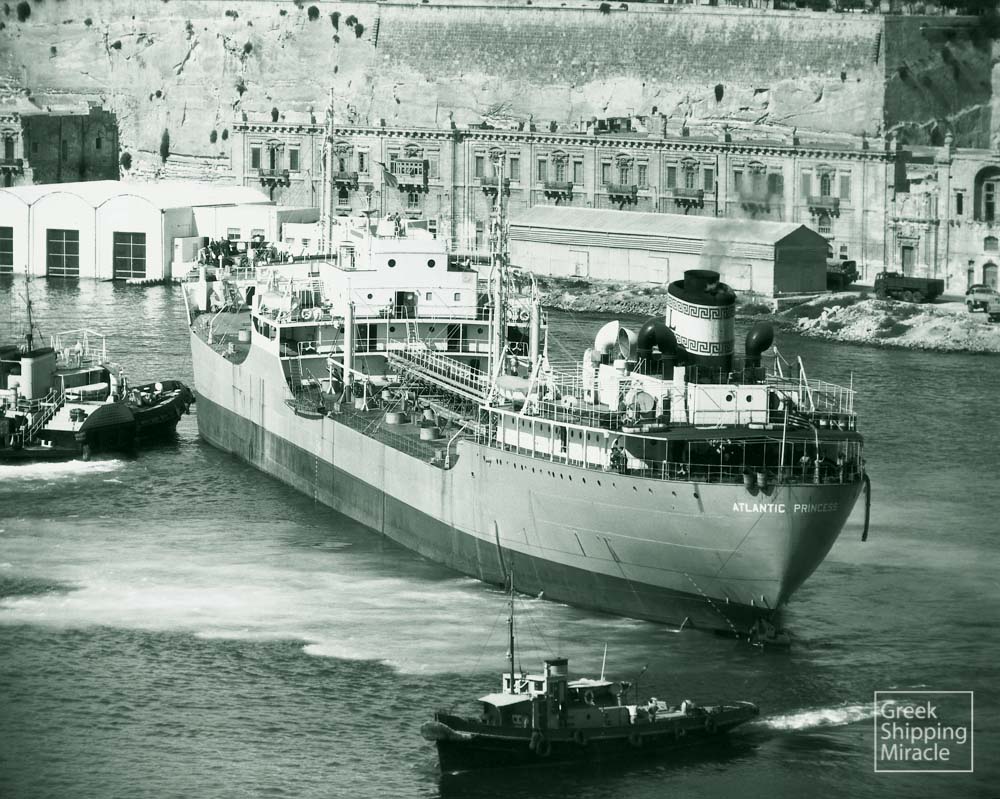
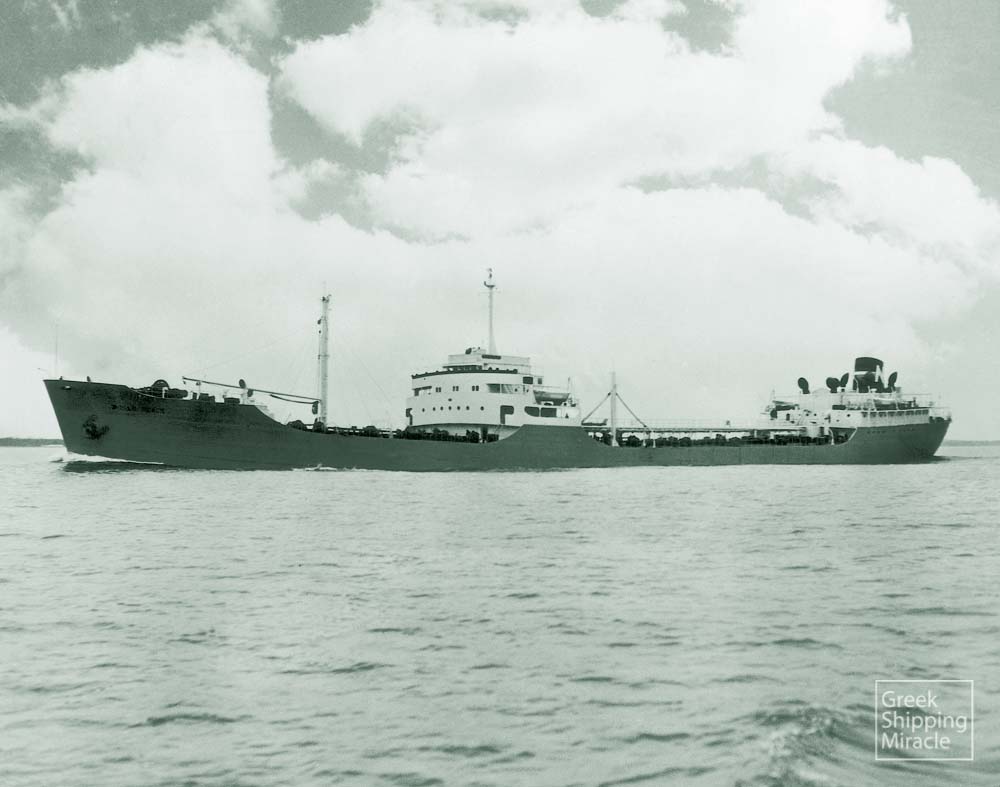
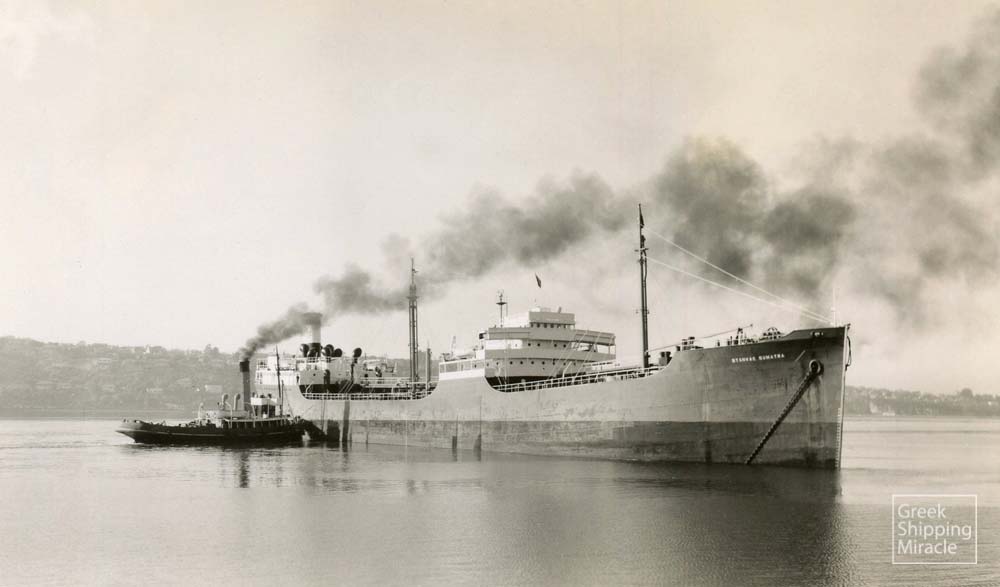
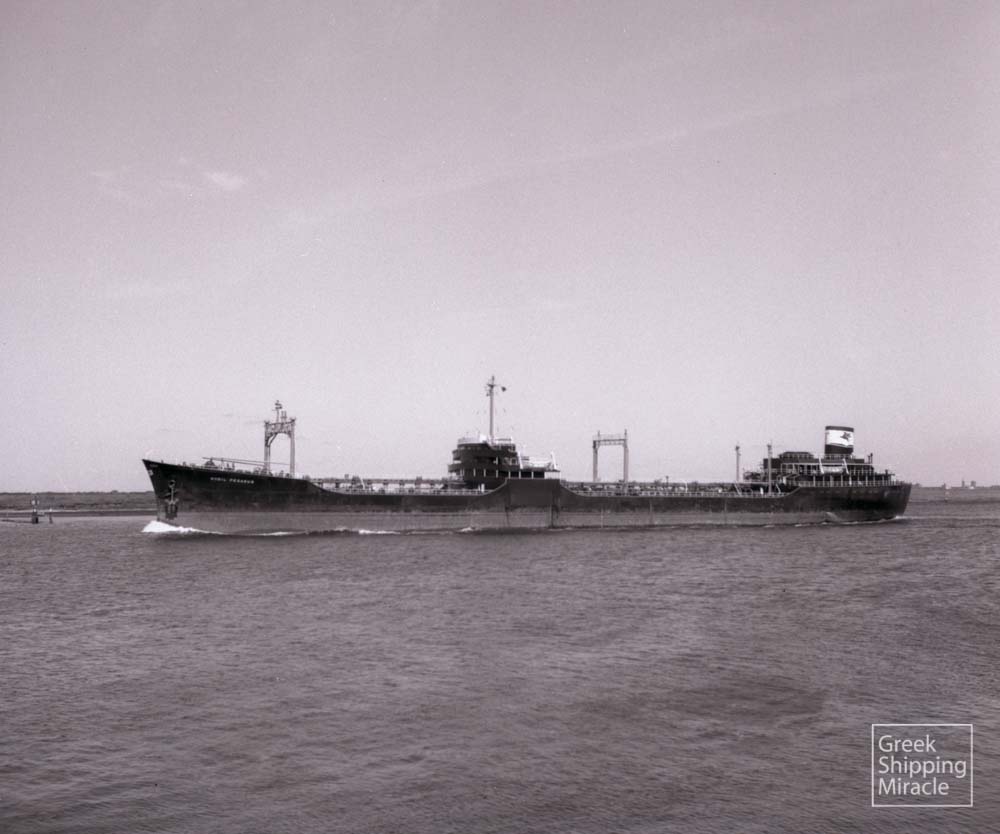
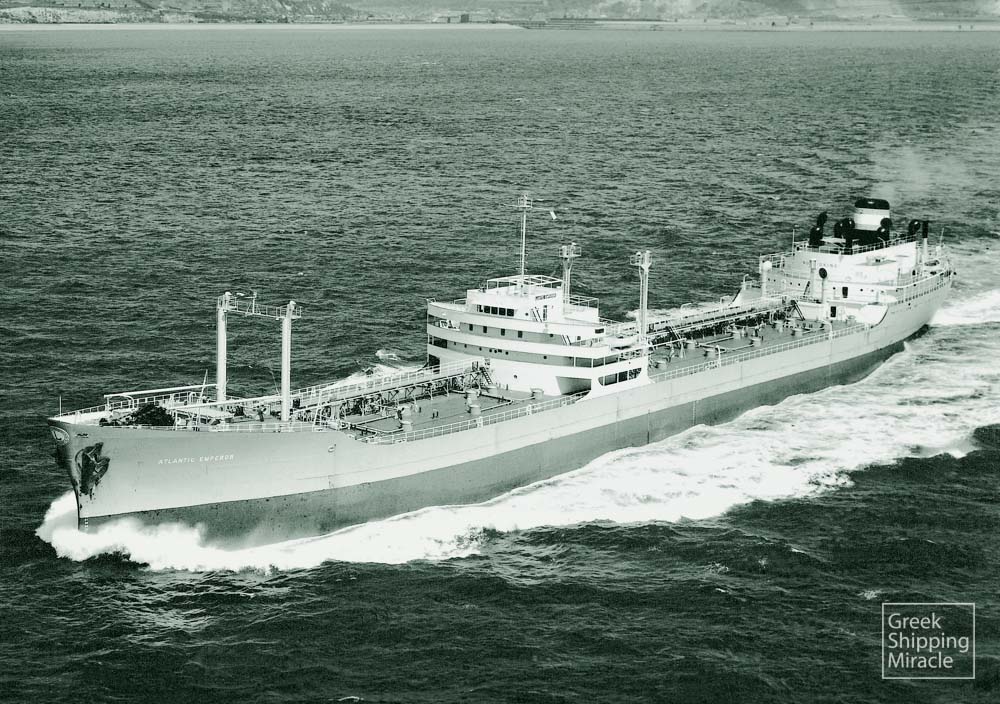
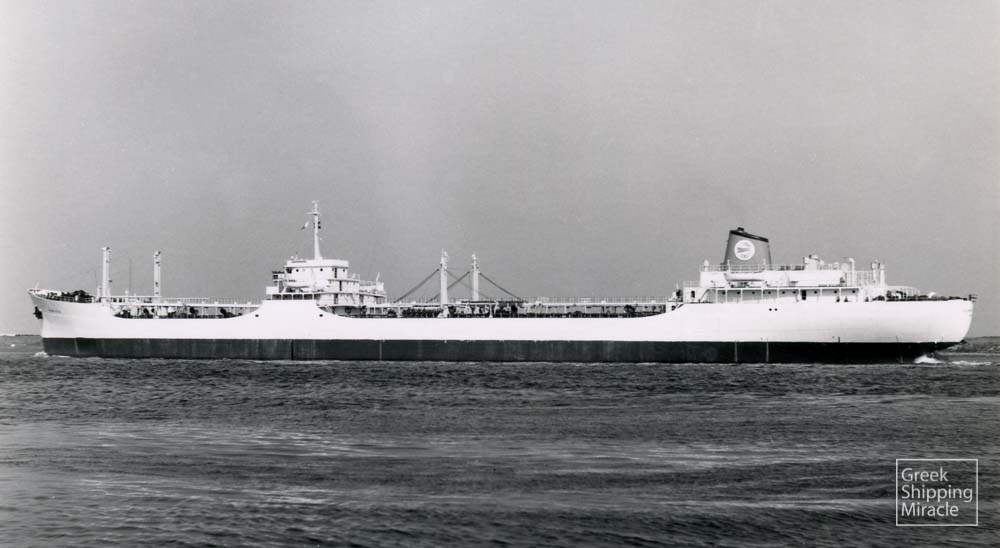
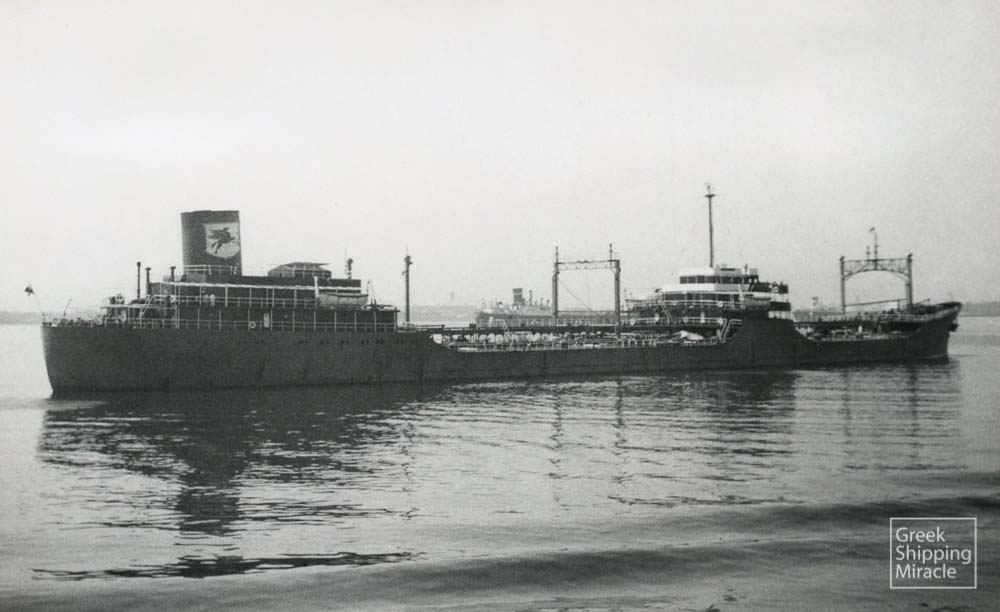
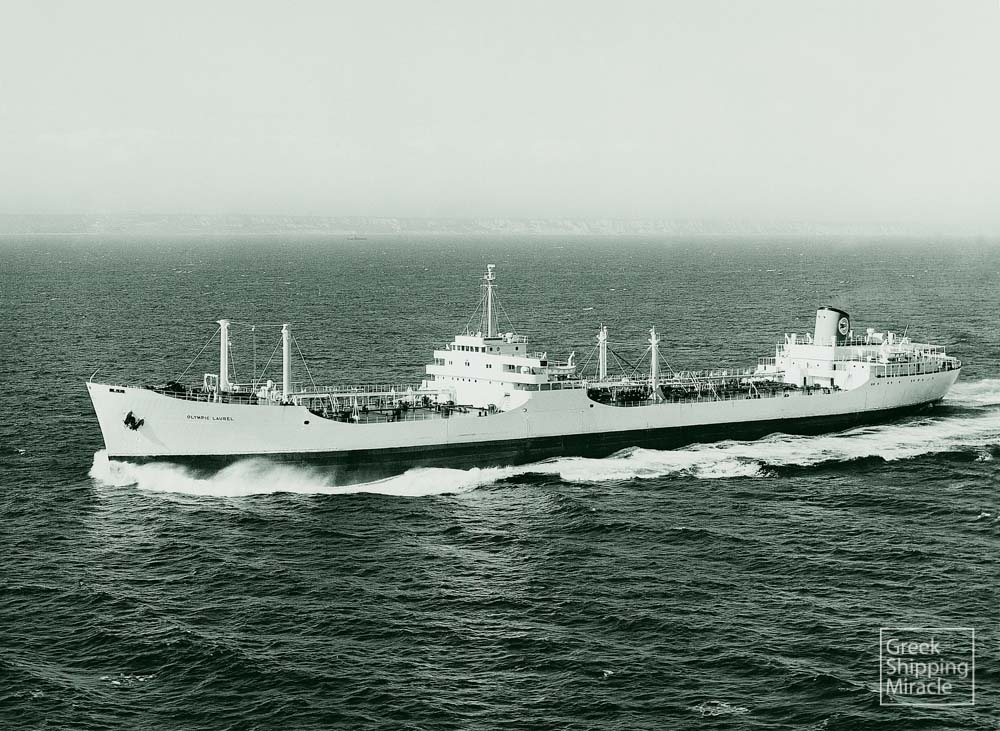
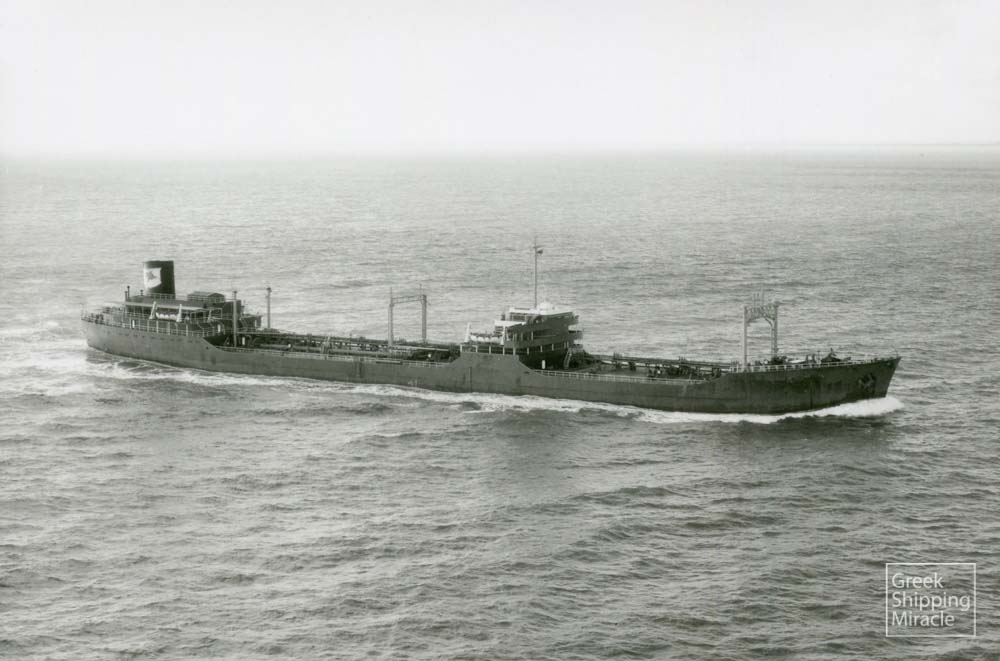
The entry of Greek shipowners in the tanker sector was one of the most remarkable developments in world shipping since World War II. Until the outbreak of the War, less than ten Greek owners were involved in oil transportation. Recognising the growing importance of petroleum as a global energy source, Greek shipowners aggressively entered the tanker market during the post-war period. This was accomplished by placing large orders for the construction of tankers – many of which were described in the maritime press as pioneering – in various shipyards around the world. This trend started with the delivery of Aristotle Onassis’ OLYMPIC GAMES in 1948.
Following the Suez Crisis of 1956 and the subsequent closure of the Canal, seaborne petroleum transportation changed dramatically, creating the need for tankers with increased carrying capacity. The deep recession of the late 1950s led to many tankers being laid up or scrapped, as well as several vessels being converted into bulk carriers. A new era in tanker newbuilding activity began in the mid-1960s, marked by the construction of gigantic tankers in excess of 200,000 deadweight tons. These ships, known as VLCCs (Very Large Crude Carriers), attracted the attention of Greek entrepreneurs, particularly after the Six-Day War in June 1967, which resulted in the Suez Canal being closed again, this time for a longer period.
From the early 1970s until 1990, there were major changes in the transportation of oil. The significant increase in oil prices during this period led to the gradual phase out of steam-powered tankers, due to their engines’ high fuel consumption. Many of these ships, especially VLCCs, were scrapped just ten years after being delivered. Following the recovery of the freight market after a catastrophic crisis in the early 1980s, the first signs of a major shake-up in the tanker sector emerged. Growing concern for the protection of the marine environment led the shipbuilding industry to develop double-hull tanker designs.
This became a reality in the early 1990s. A series of tanker incidents causing severe pollution – with the EXXON VALDEZ being the worst – shocked the world. This led policymakers, especially in the United States, to adopt measures to better protect the marine environment.
Throughout the post-war period, Greek owners remained fully committed to oil transportation, adding 776 newbuilding units to the world tanker fleet by the end of the 20th century – that is an average of one newly-built tanker every 25 days over a period of 53 years. The Greek presence in the tanker sector has continued to grow in the 21st century, with Greek-owned tankers transporting approximately ¼ of global crude oil production exported by sea.
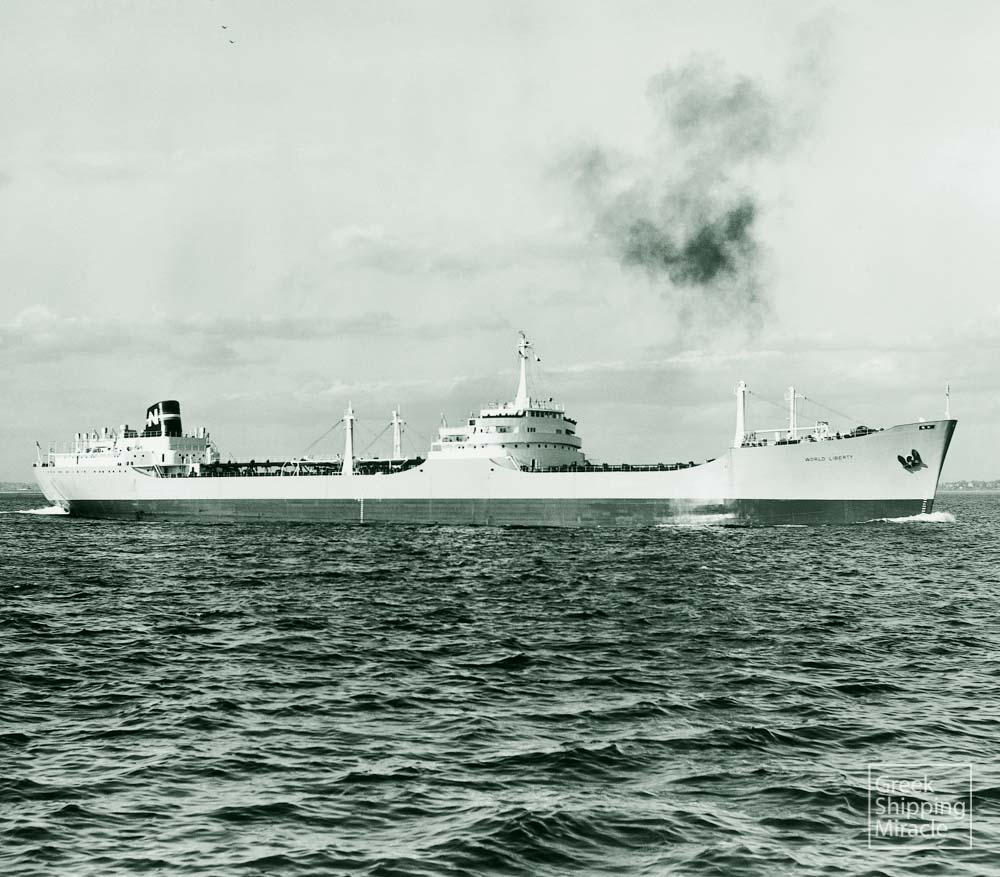
Apart from the significant contribution to the global economy resulting from the efficient, cost-effective and environmentally friendly transportation of crude oil and petroleum products, the activity of several Greek shipowners contributed decisively to the global recognition of the Liberian registry. By the end of the first post-war decade, 184 high-specification newbuilding tankers owned by Greeks had entered Liberian registry, which was established in 1949 with the registration of the Niarchos group’s WORLD PEACE.
This section – which will be updated with new photographs on a regular basis – contains, in chronological order from 1948 up to 2000, details of all tankers built around the world for companies under Greek control or management.