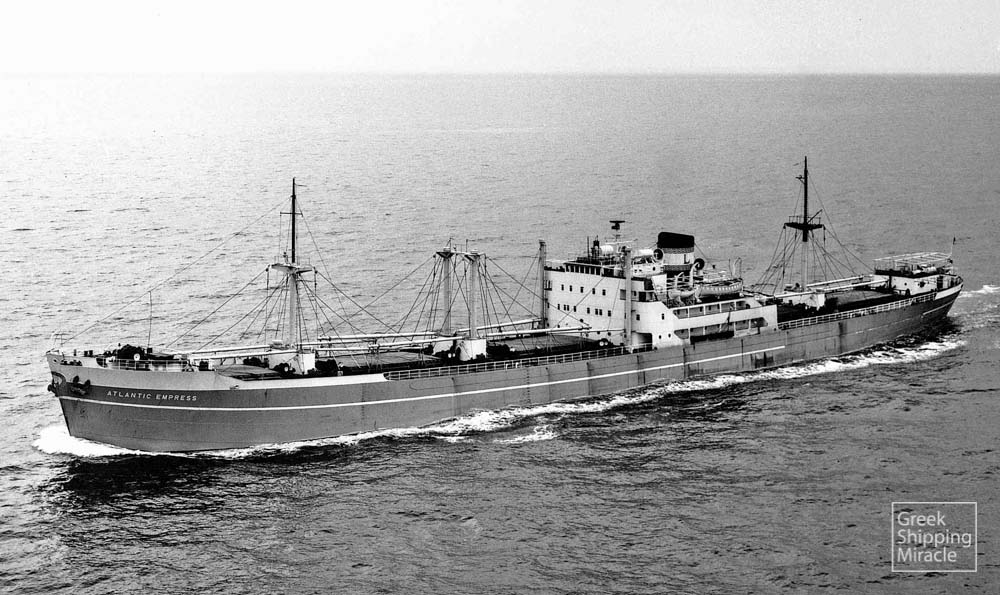
GENERAL CARGO SHIPS
Apart from the acquisition of Liberty-type ships and second-hand vessels built before World War II, the development of a strong Greek merchant fleet in the post-war years was made possible by a great number of newbuilding projects launched in the years immediately following the end of the War.
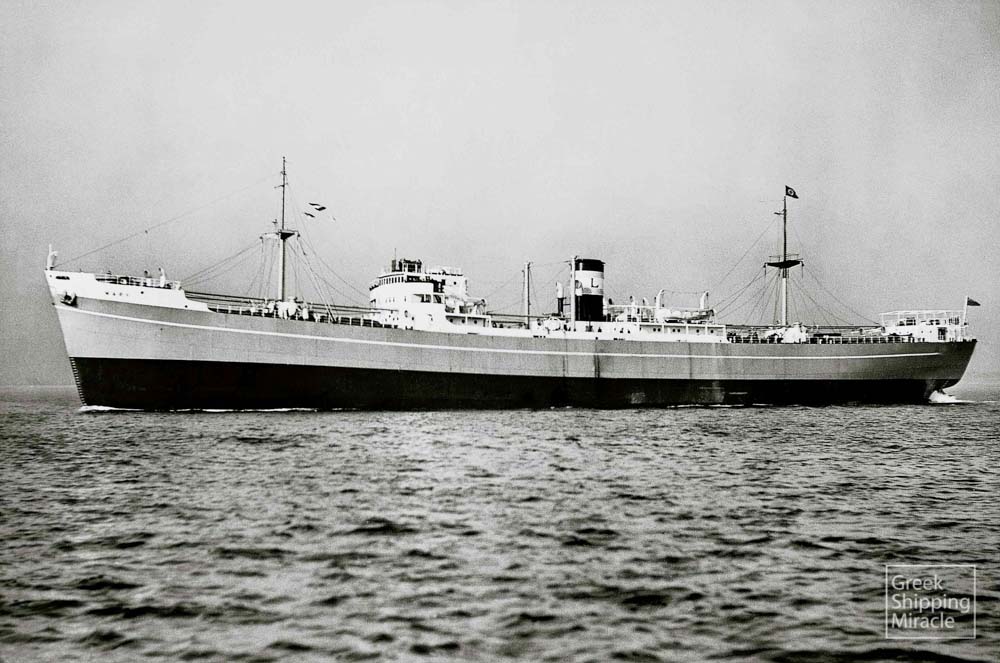
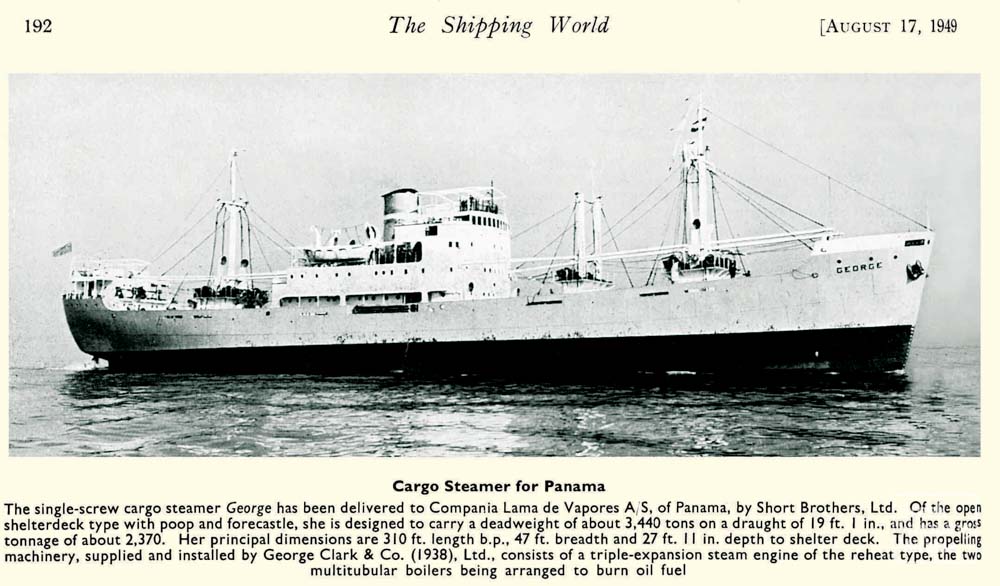
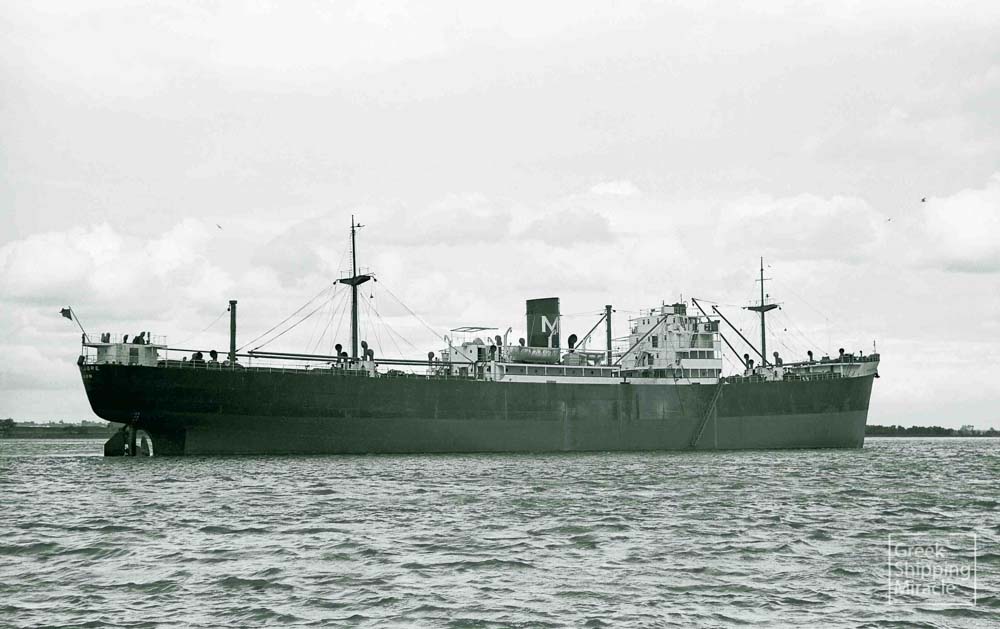
From 1949 to 1967, when the first Freedom-type cargo ships were delivered, followed by the SD-14 vessels – which replaced the ageing Liberty fleet – 67 Greek shipping groups took delivery of 282 high-quality general cargo ships. Half a century later, most of these groups continue to have a strong presence in international maritime affairs.
These vessels, together with the Liberty-type ships, offered high-quality services in global seaborne trade and, largely thanks to their operation, Greek shipping evolved into the world’s leading maritime power in the late 1970s.
Out of these 282 ships, 190 were built in European shipyards. More than half of the vessels built in Europe were delivered by British shipyards, as the United Kingdom was still the word leader in shipbuilding at that time, while the remaining 92 ships built outside Europe were ordered at Japanese shipyards, contributing decisively to the establishment of a thriving shipbuilding industry in Japan over the next decades.
With the exception of three ships built under the supervision of the French classification society Bureau Veritas, the construction of these vessels was supervised by the British and American classification societies, Lloyd’s Register of Shipping and American Bureau of Shipping respectively.
The cargo vessels presented in this section demonstrate the entrepreneurial initiatives of Greek shipowners, which aimed to reconstruct their merchant fleet, 75% of that had been lost during World War II. These investments – as well as all acquisitions of cargo ships by Greek shipowners – were undertaken without any assistance or subsidy from the Greek state and were financed solely by non-Greek lenders.